
Ranking the most secular countries in the world involves comparing very different legal models. Some states enshrine the separation of church and state in their constitution, while others practice it without naming it. This ranking is based on three criteria: constitutional neutrality, the absence of public funding for religions, and the effective protection of freedom of conscience.
1. France

The list of secular countries in the world features very diverse profiles, from Northern Europe to East Asia. France remains the global reference for strict secularism.
The 1905 law sets the framework: the state does not recognize, pay, or subsidize any religion. This clear separation still structures French law today.
In practice, case law continues to evolve. The Council of State and the Court of Cassation have issued numerous rulings since 2016 regarding nurseries in public buildings, religious symbols in the workplace, and abayas in schools. Even the most strictly secular country is in a state of permanent redefinition.
This so-called “combat” model is characterized by the prohibition of ostentatious religious symbols in public schools and the neutrality imposed on public servants.
2. Japan
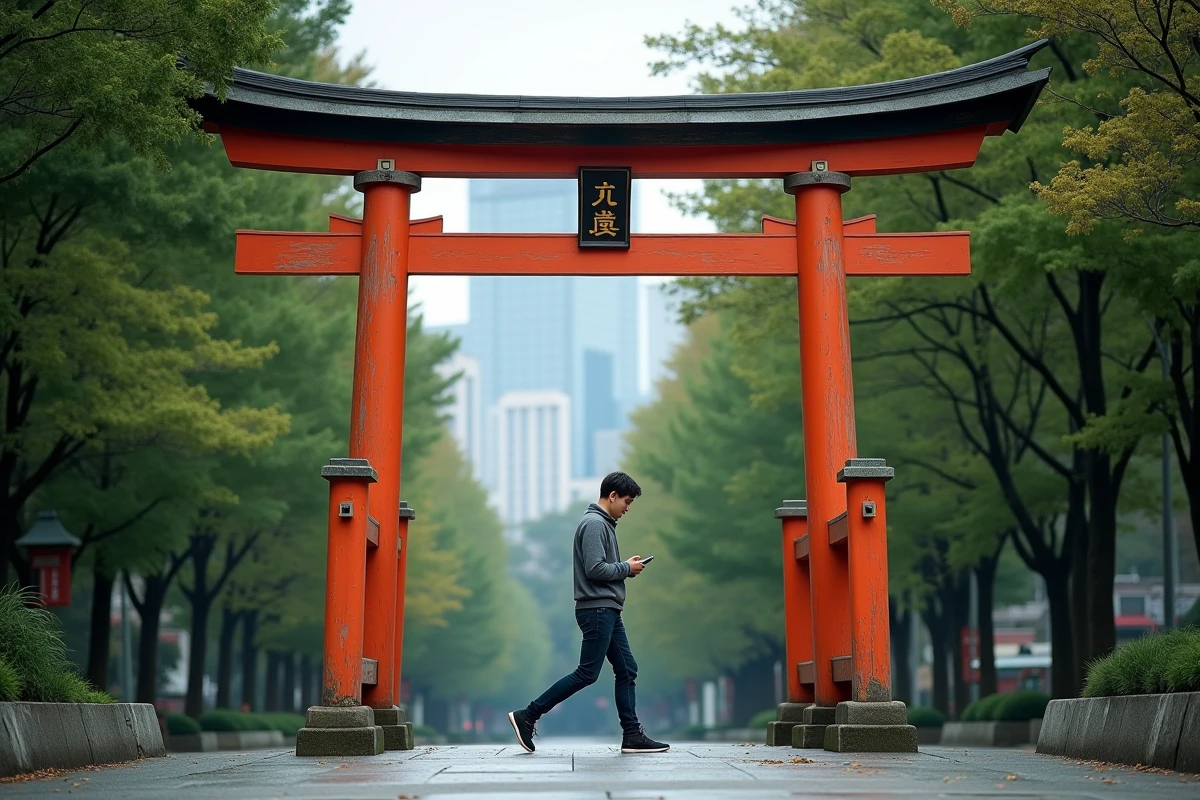
The Japanese constitution of 1947, drafted after World War II, prohibits the state from granting any privileges to a religious organization. No public funding goes to religions, and religious education is absent from public schools.
In practice, Shintoism permeates daily life without interfering with politics. Japanese people visit temples and shrines out of cultural tradition, not doctrinal adherence. Religion belongs to the private sphere, and society functions without the debate on secularism occupying public space.
3. South Korea

The South Korean constitution guarantees freedom of religion and prohibits any state religion. The country is home to a mosaic of faiths (Buddhism, Protestantism, Catholicism, Shamanism) without any receiving privileged status.
This confessional plurality creates a de facto balance: no religious group is strong enough to influence legislation. The state remains neutral in its institutions, even though some presidents have publicly displayed their personal faith.
4. Estonia

Estonia is among the least religious societies on the planet. The majority of the population does not identify with any faith. The constitution guarantees the separation of church and state without ambiguity.
The almost total absence of religious practice makes the debate on secularism nearly superfluous. No tension around religious symbols, no disputes over the funding of religions. This is a case where legal secularism coincides with a deep secularization of society.
5. Czech Republic

Like Estonia, the Czech Republic has one of the highest rates of atheism or agnosticism in Europe. The constitution does not mention any official religion, and the funding of churches, long inherited from the communist era, has been gradually reduced.
Secularization is deeply rooted in history: distrust of the Catholic Church dates back to the Hussite wars. There is a population that associates secularism with intellectual independence, without open hostility towards believers.
6. Uruguay

Uruguay stands out as an exception in Latin America. Religious holidays have even been renamed: Christmas is officially called “Family Day.”
The state does not subsidize any religion, and religious symbols are absent from public buildings. This model has withstood decades of military dictatorship without being called into question.
7. Netherlands
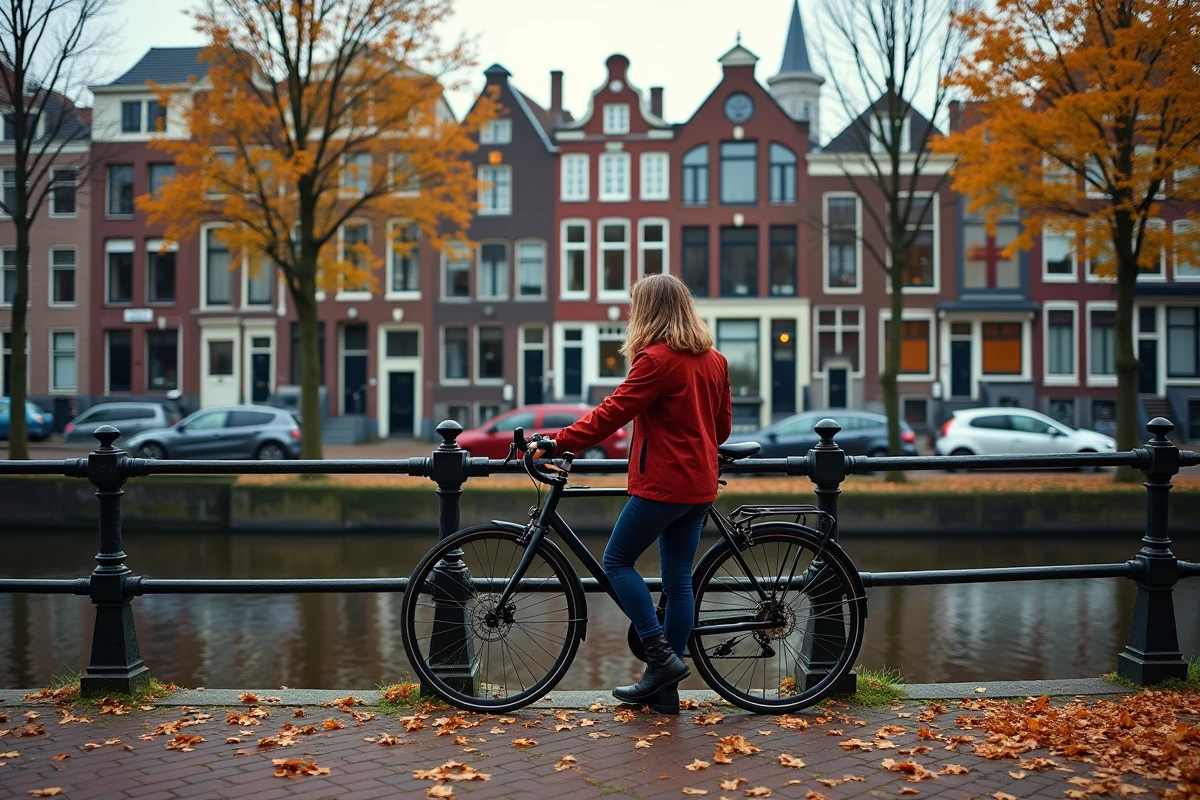
The Netherlands does not have an explicitly secular constitution in the French sense, but state neutrality has been functioning there for decades. The system is based on tolerance and coexistence (the famous “pillar” of confessions has given way to a highly secularized society).
Opinions vary on classifying the Netherlands as “strictly secular,” as the state partially funds confessional schools. However, religious practice has dramatically declined, and legislation remains neutral on matters of conscience.
8. Australia

Article 116 of the Australian constitution prohibits the Commonwealth from establishing a religion or imposing a religious practice. This framework, inspired by the First Amendment of the U.S. Constitution, guarantees federal neutrality.
In practice, Australia remains pragmatic. School chaplaincies exist, and some religious schools receive public funding. But no denomination directly influences federal legislation, and Australian society is rapidly secularizing.
9. Mexico

Mexico enshrined the separation of church and state in its 1917 constitution, in a context of open conflict with the Catholic Church. The Leyes de Reforma of the 19th century had already nationalized the clergy’s assets.
The Mexican model is similar to the French model in its historical radicalism. Despite a predominantly Catholic population, the state maintains strict institutional neutrality.
10. Turkey

Turkey inherited from Kemalism a constitutional secularism imposed from above in the 1920s. The state controls religious affairs through the Diyanet, an institution that manages mosques and the training of imams.
This model presents a paradox: the state claims to be secular while directly administering Sunni Islam. Since the 2010s, the Pew Research Center has noted an increase in government restrictions on religion in several countries, including states that present themselves as neutral. Turkey illustrates this tension between constitutional secularism and state control of religion.
This ranking shows that there is not a single model of secularism. Between the strict French separation and pragmatic Australian neutrality, each country navigates its history, religious demographics, and political power dynamics. Secularism remains a living framework, redefined by each generation.