
The coco de Paimpol is the only French bean protected by an AOP (Protected Designation of Origin), a European extension of the AOC obtained as early as 1998. This certification requires manual harvesting, pod by pod, within a limited area of the authorized municipalities of Côtes-d’Armor. Buying directly means accessing fresh beans before they go through an intermediary, with a measurable gain in freshness and traceability.
Why AOP Changes the Game for Direct Purchase
The AOP is not just a logo on a package. It guarantees that each pod comes from the geographically defined area around Paimpol and has been harvested by hand according to strict specifications. For the buyer, the AOP serves as an anti-counterfeiting filter: a coco bean sold as “from Paimpol” without this mention offers no guarantee of origin.
In direct sales, this certification carries even more weight. The producer selling their pods at the farm or at a local market directly assumes responsibility towards the control body. There is no room for interpretation regarding the origin.
Exploring the direct sale of coco de Paimpol helps to better understand how this AOP sector structures its points of sale and short circuits.
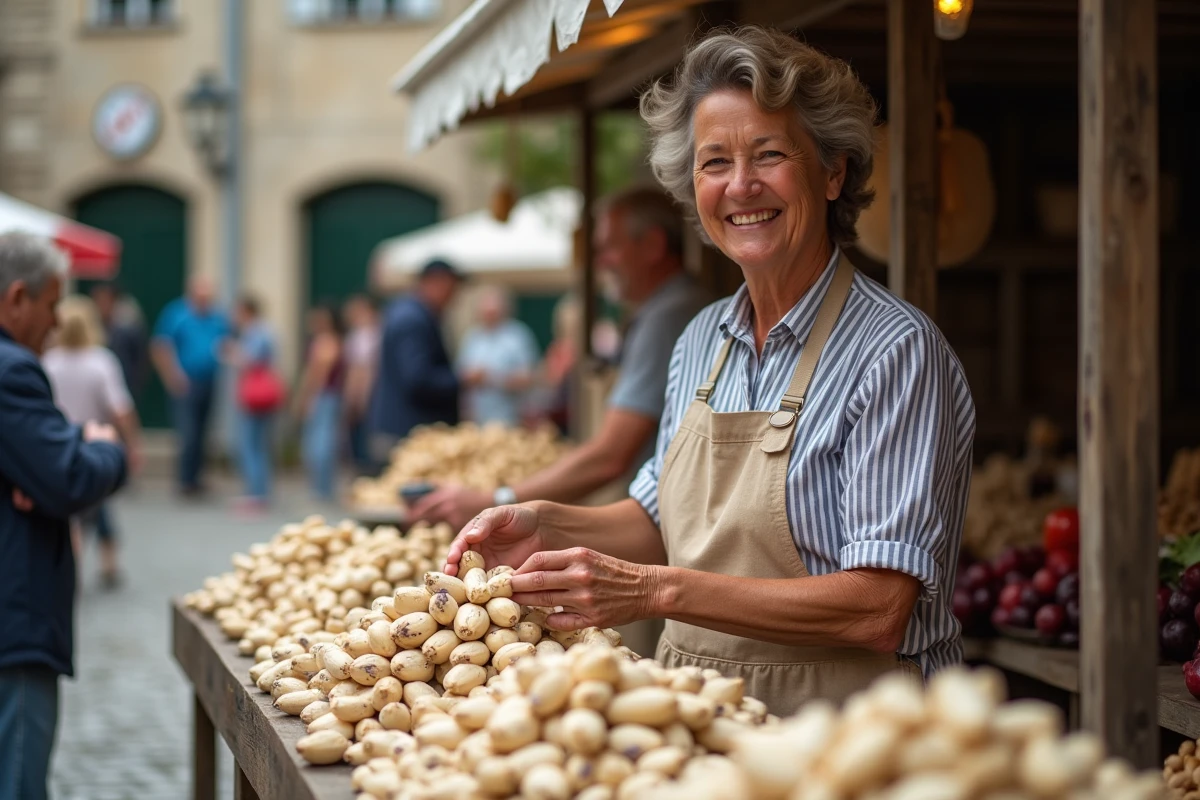
Cooperatives and Local Producers: The Supply Chains to Favor
The cooperative Les Maraîchers d’Armor brings together a significant portion of the producers of coco de Paimpol. It is through this structure that a large part of the production flows, including that marketed under the collective brand Prince de Bretagne. Contacting the cooperative or its members remains the most reliable way to obtain fresh coco de Paimpol AOP beans, either in pod or already shelled.
Some producers also sell directly at the farm, especially during the harvest season, which generally runs from late July to October-November. This window is short. The first arrivals are the most sought after.
Specialized Trading and Organic Circuits
Traders like Pouliquen work with certified organic local producers, all located in Côtes-d’Armor in municipalities recognized by the AOP specifications. The organic coco de Paimpol AOP remains a limited production, but it is available in bulk (in pods, in bags) or in trays of shelled beans.
Pouliquen mentions packaging in bags ranging from one kilogram to larger volumes, as well as a shelled tray. This type of specialized trading constitutes a serious alternative for buyers who cannot go directly to a producer.
Connected Shops and Online Ordering with Local Pickup
The concept of direct sales is evolving. Local connected shops now offer coco de Paimpol AOP for online ordering with local pickup or delivery. This hybrid model allows access to fresh products without going through large generalist platforms, which generally do not offer the same guarantees of freshness or traceability.
Ordering online from a local sector player is more reliable than purchasing on a marketplace where the actual seller is difficult to identify. The difference lies in the cold chain and the time between harvest and shipping.
What to Check Before Ordering
- The AOP (or AOC) mention must be clearly visible on the product or sales sheet, not just in the title of the listing
- The packager must be located in the geographical area of Côtes-d’Armor, in one of the municipalities authorized by the specifications
- The harvest date or availability period must be consistent with the season (no fresh coco de Paimpol in February)
Fresh in Pod, Shelled or Frozen: Which Format for What Use
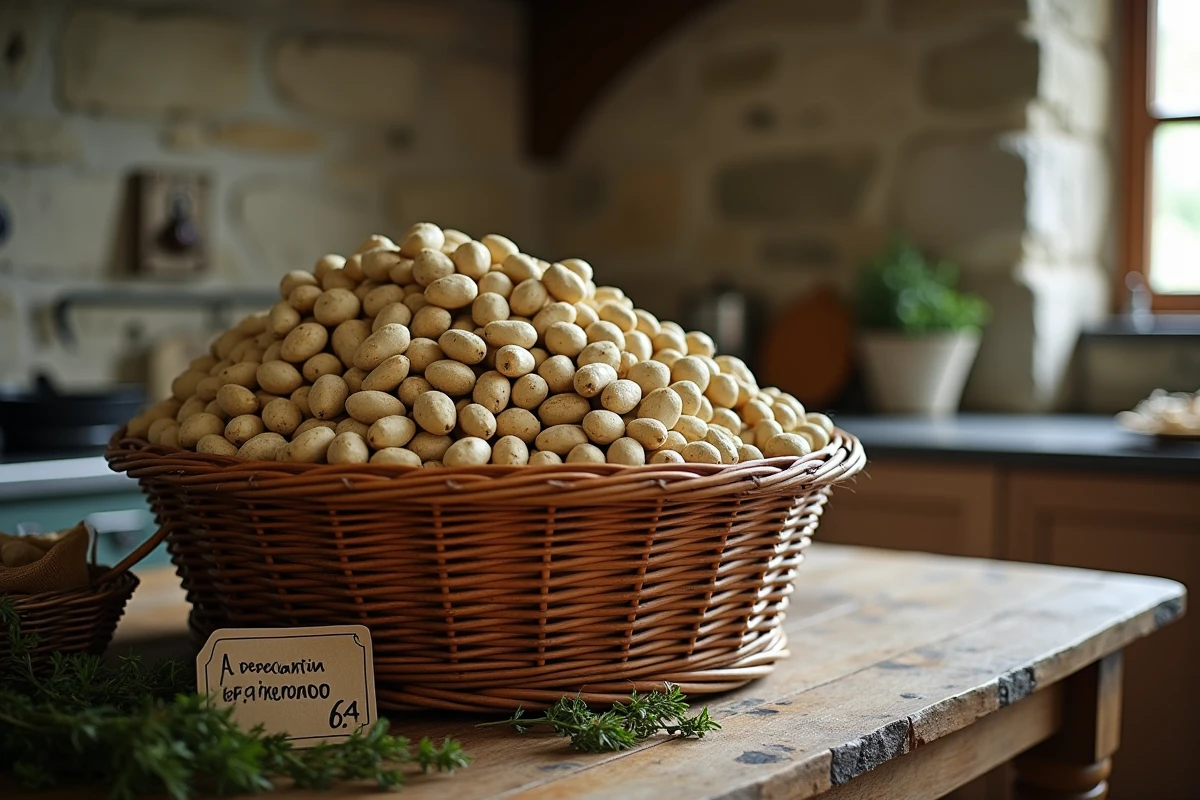
The coco de Paimpol comes in several forms depending on the purchasing circuit. The fresh bean in pod is the traditional format for direct sales, the one that producers offer at markets and on the farm. It keeps better in pod than shelled but requires hand shelling before cooking.
The fresh shelled bean, packaged in trays, simplifies preparation. This is the preferred format for traders and cooperatives for distribution in short circuits and shops.
For long-term storage, freezing after shelling works very well. Les Maraîchers d’Armor specify that it is unnecessary to wash or blanch the beans before freezing. However, the coco does not keep well in its pod in the refrigerator beyond a few days.
Cooking and Preparation
Cooking is done without prior thawing for the frozen product. The cooking time in a pot is around 35 to 40 minutes. A bouquet garni, a shallot studded with cloves, a sliced onion, a few carrot rounds, and a bit of smoked bacon make up the classic base. The coco de Paimpol can be consumed hot or cold, more or less firm depending on preferences.
- In fresh pod: to shell oneself, better preservation before preparation
- In shelled tray: ready to cook, practical format for immediate use
- Frozen after shelling: long-term storage without significant loss of taste quality
The coco de Paimpol was brought back from Chile by a sailor in 1928, initially cultivated on the food plots of fishermen’s wives before being adopted by local farmers. This origin explains its kinship with the cassoulet from the Southwest, where it found its first passionate enthusiasts. Buying directly from producers or cooperatives in Côtes-d’Armor extends this short chain that has defined the product’s uniqueness for nearly a century.