The transport of goods to England represents a major strategic challenge for European companies. With Brexit and the new regulations, transport solutions have diversified and adapted.
Road transport: a flexible solution
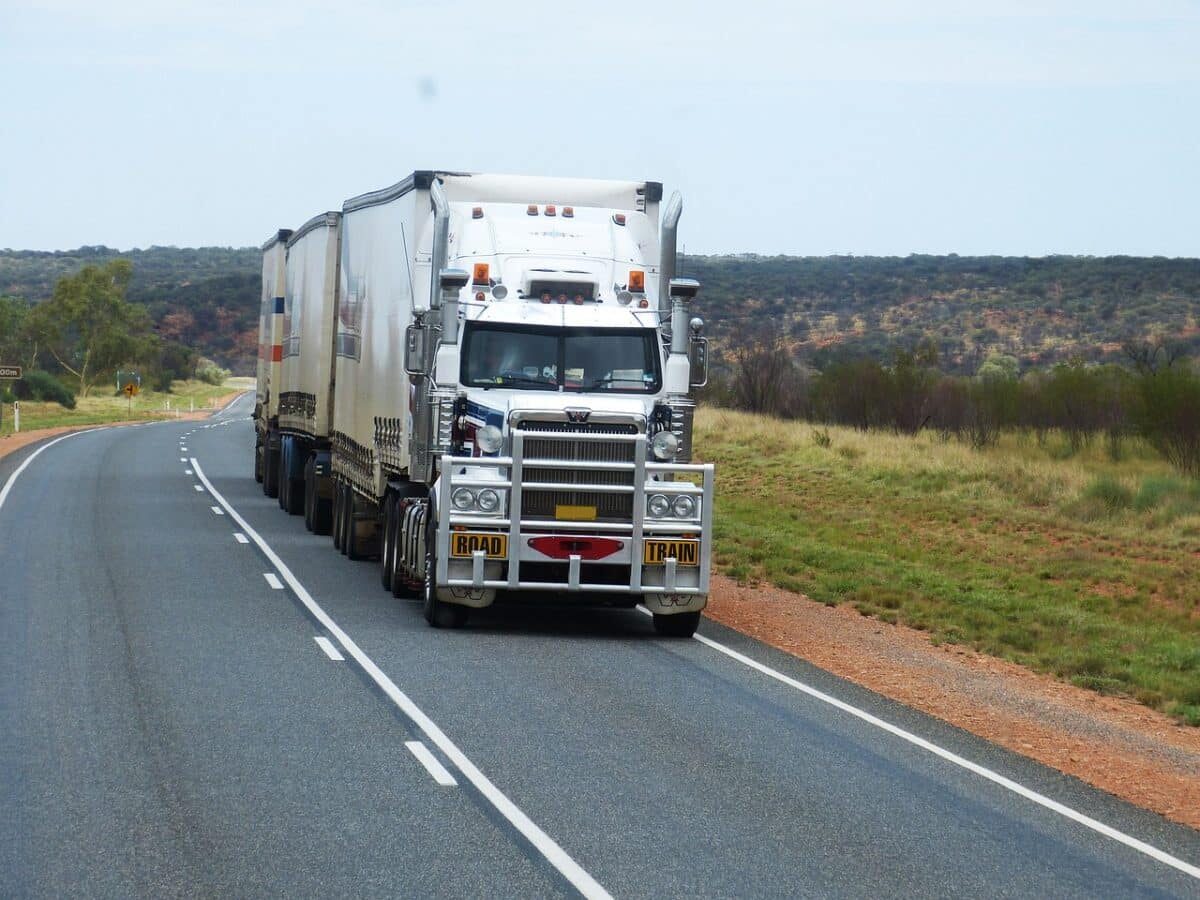
International transport to England by road is one of the most popular methods for transporting goods to England. Its flexibility and adaptability to the specific needs of businesses make it a preferred solution.
The advantages of road transport
Road transport offers several advantages. First, it allows for precise control of delivery schedules, which is crucial for perishable products or urgent deliveries. Additionally, it covers a wide range of destinations, even hard-to-reach rural areas by other means of transport. The ability to transport directly from door to door also reduces the risks of damage and loss of goods.
The challenges of road transport
However, road transport is not without challenges. The new post-Brexit regulations have introduced additional customs controls, which can lead to delays and increased costs. Moreover, weight and size restrictions on vehicles can limit the quantity of goods transported at one time. Finally, the environmental impact of road transport is a growing concern, pushing companies to seek more sustainable alternatives.
The Channel Tunnel: a fast route
The Channel Tunnel, also known as the Eurotunnel, is another favored solution for road transport of goods to England. This rail tunnel directly connects France and England, providing a fast and reliable route.
The benefits of the Eurotunnel
The Eurotunnel offers several advantages for the transport of goods. It significantly reduces travel time between the two countries, with crossings taking about 35 minutes. Additionally, it offers frequent departures, ensuring great flexibility and optimized delivery times. Trucks board specially designed shuttles for freight transport, ensuring the safety of the goods.
The limitations of the Eurotunnel
Nevertheless, the Eurotunnel has its limitations. Usage costs can be high, especially for small carriers. Furthermore, in the event of technical disruptions or strikes, delays can be significantly impacted. Enhanced security checks can also lead to additional waiting times, despite the speed of the journey itself.
Ferries: a versatile alternative
Ferries represent another commonly used solution for transporting goods to England. Several ferry lines operate between different European and English ports, offering a wide variety of choices.
The advantages of ferries
Ferries allow for the transport of large quantities of goods at often competitive costs. They offer significant loading capacities and help reduce distances traveled by road, which can be advantageous in terms of costs and carbon footprint. Additionally, ferries provide regular connections, allowing for precise delivery planning.
The constraints of ferries
However, ferry transport can be subject to constraints. Weather conditions can affect schedules and cause delays. Moreover, crossing times are generally longer than through the Channel Tunnel. Customs procedures can also be more complex and time-consuming to manage, especially since Brexit.